

How Natural Crystal Jewellery Is Different from Factory-Made Jewellery
Natural crystal jewellery has become one of the most loved trends in the, and for good reason. Every piece is formed by the earth over thousands of years, carrying its own unique colour, pattern, and story. Factory-made jewellery, on the other hand, is produced quickly using synthetic materials or moulded glass designed to look like the real thing.
If you have ever wondered why one crystal bracelet costs a fraction of another that looks almost the same, the answer usually lies in how it was made. Understanding this difference can help you shop smarter and avoid paying for something that isn't genuine.
In this guide, we will break down exactly what sets natural crystal jewellery apart from factory-made pieces, so you can make a confident and informed choice.
What Is Natural Crystal Jewellery?
Natural crystal jewellery is made using gemstones and crystals that are mined directly from the earth. Each stone forms slowly over centuries, shaped by heat, pressure, and mineral content deep underground.
Because these stones are natural, no two pieces are ever completely identical. You might notice slight variations in colour, clarity, or texture, and that is actually a sign of authenticity, not a flaw.
Common Examples of Natural Crystals
- Rose Quartz, known for its soft pink hue and calming appearance
- Amethyst, prized for its deep purple tones
- Clear Quartz, valued for its clarity and versatility
- Tiger's Eye, recognised by its golden-brown banding
Each of these stones is cut and polished by skilled artisans, which adds to the time and craftsmanship involved.
What Is Factory-Made Jewellery?
Factory-made jewellery is typically produced using synthetic materials, resin, glass, or plastic that is designed to resemble natural stones. These pieces are manufactured in bulk using moulds, which allows for fast and cheap production.
While factory-made jewellery can look attractive at first glance, it lacks the natural formation process that gives real crystals their character. Many pieces are also dyed or coated to achieve a consistent colour across the entire batch.
This is why factory-made jewellery often appears "too perfect", with every piece looking exactly the same.

Key Differences Between Natural and Factory-Made Jewellery
1. Origin and Formation
Natural crystals take thousands of years to form underground, shaped by natural geological processes. Factory-made jewellery, by contrast, is created within hours using machines and synthetic compounds.
This difference in origin is the single biggest factor that separates genuine crystal jewellery from imitation pieces.
2. Appearance and Uniqueness
Because natural stones are formed by nature, each one carries subtle differences in tone, pattern, and clarity. Factory-made pieces are manufactured to look uniform, so they often lack these natural imperfections.
If you compare two rose quartz bracelets from the same natural batch, you will likely spot small differences between them. Two factory-made bracelets, however, will usually look identical.
3. Weight and Texture
Natural crystals tend to feel heavier and cooler to the touch because of their mineral density. Synthetic or glass alternatives are often lighter and can feel slightly warmer when held.
This simple touch test is one of the easiest ways to check authenticity before buying.
4. Durability
Genuine crystals are generally more durable and can last for generations with proper care. Factory-made jewellery, especially resin or glass pieces, is more prone to scratching, fading, or cracking over time.
If you are investing in jewellery you plan to wear regularly, natural stones offer far better long-term value.
5. Price Point
Natural crystal jewellery is usually priced higher because of the mining, cutting, and polishing involved. Factory-made jewellery is significantly cheaper since it is mass-produced with minimal labour and material costs.
As a general rule, if a "natural crystal" piece seems unusually cheap, it is worth double-checking its authenticity.
Why Provenance Matters in Crystal Jewellery
One factor that is often overlooked is where the crystals actually come from. Regions with a long-standing history of gemstone trading tend to produce higher-quality, ethically sourced stones.
For example, Khambhat in Gujarat, India, has been a recognised centre for agate and gemstone cutting for centuries. Buying from sellers connected to such regions often means the stones have passed through experienced hands at every stage, from mining to polishing.
This kind of provenance adds an extra layer of trust that mass-produced factory jewellery simply cannot offer.
How to Identify Natural Crystal Jewellery
Look for Natural Imperfections
Genuine crystals rarely look flawless. Small inclusions, colour variations, or tiny surface marks are a good sign that the stone is real.
Check the Weight
Hold the piece in your hand and compare it to a similar-sized item you know is glass or plastic. Natural stones will typically feel noticeably heavier.
Ask About the Source
A trustworthy seller should be able to tell you where the crystal was sourced and how it was processed. If they cannot answer basic questions about origin, that is a red flag.
Compare the Price
If the price feels too low for what is being described as a natural gemstone, it is worth researching further before purchasing.
Benefits of Choosing Natural Crystal Jewellery
Choosing natural over factory-made jewellery comes with several practical benefits beyond just aesthetics.
- Each piece is genuinely one of a kind
- Natural stones tend to last much longer with proper care
- Buying natural often supports small-scale artisans and ethical mining practices
- Many buyers find natural stones more meaningful as gifts due to their authenticity
These benefits make natural crystal jewellery a worthwhile investment, especially for pieces you intend to wear often or pass down.
How to Care for Natural Crystal Jewellery
Proper care can significantly extend the life of your crystal jewellery. Here are a few simple habits to follow.
Avoid exposing your crystals to harsh chemicals, including perfume and cleaning products. These can dull the surface shine over time.
Store each piece separately in a soft pouch to prevent scratches from harder stones or metal clasps. Clean your jewellery gently with a soft, damp cloth rather than harsh scrubbing.
Frequently Asked Questions
Is natural crystal jewellery worth the extra cost?
Yes, natural crystal jewellery is generally worth the investment due to its durability, uniqueness, and authenticity. Factory-made alternatives may look similar initially but tend to wear out faster.
Can I tell the difference between natural and synthetic crystals just by looking?
In many cases, yes. Natural crystals often show slight imperfections and colour variations, while synthetic pieces look overly uniform and consistent.
Do natural crystals fade over time?
Natural crystals are generally more resistant to fading compared to dyed or synthetic materials, though direct sunlight exposure over long periods can still affect some stones.
Is it safe to wear natural crystal jewellery every day?
Most natural crystal jewellery is safe for daily wear, provided it is cared for properly and kept away from harsh chemicals or excessive impact.
How can I verify a seller is selling genuine natural crystals?
Look for sellers who provide clear information about sourcing, offer close-up photos of individual pieces, and are transparent about any treatments applied to the stones.
Final Thoughts
Choosing between natural crystal jewellery and factory-made pieces ultimately comes down to what you value most: authenticity and longevity, or convenience and lower cost. Natural crystals offer a genuine connection to the earth's history, with each piece telling its own unique story.
By knowing what to look for, from weight and imperfections to seller transparency, you can shop with confidence and choose jewellery that truly lasts.
Related Posts

Crystal Shapes Explained: Which Shape Is Right for You?

Authentic Healing Crystals with Certified & Ethical Sourcing

Amethyst Crystal Pyramids: Materials, Shape & Origin

Quartz Geode Crystal Types and Their Meanings

Quartz with Amethyst: Where to Buy, Prices & Trusted Brands
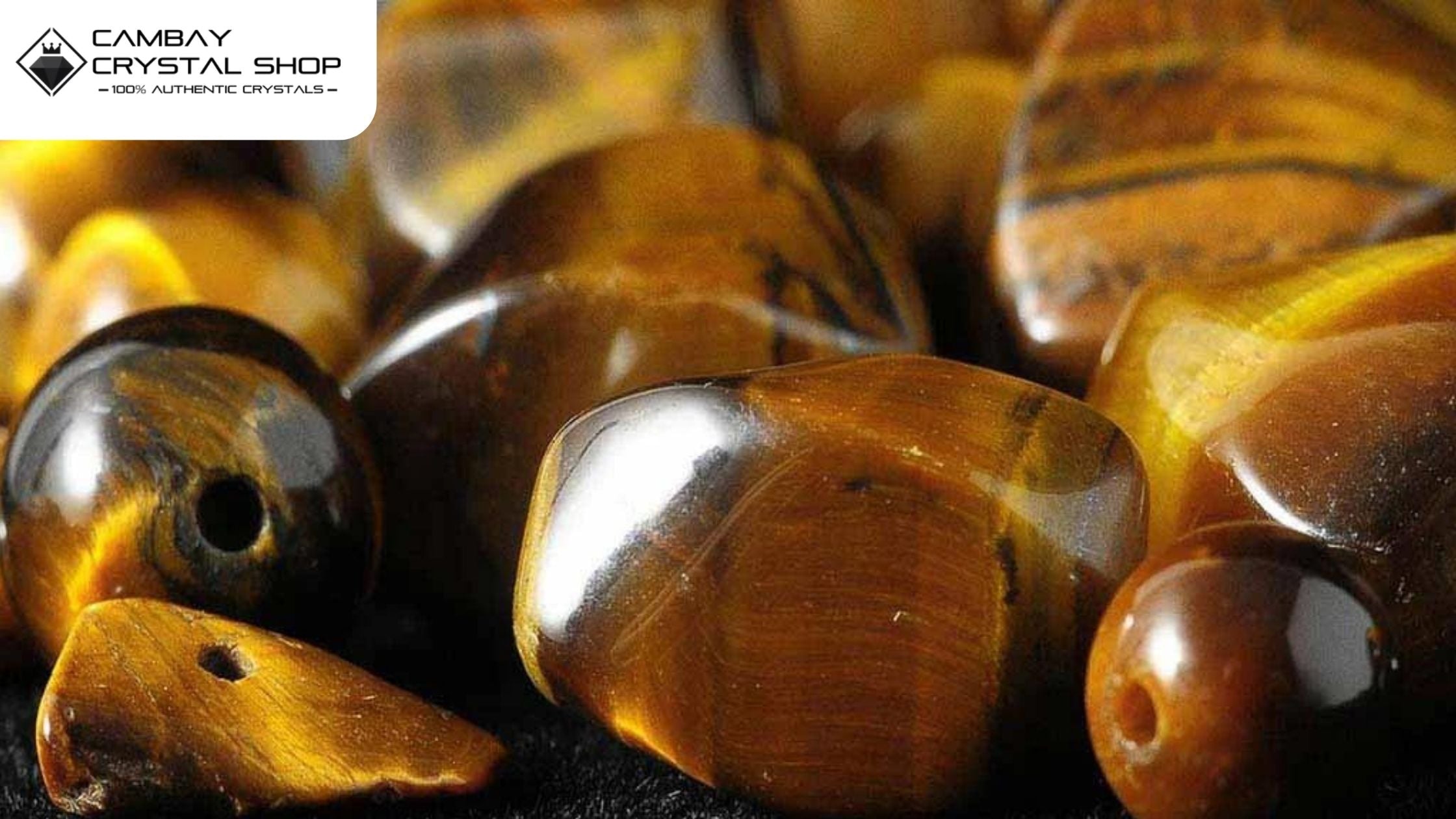
What is Tiger Eye Crystal? Meaning, Healing Properties and More?
